How to Pick Outdoor Furniture Colors That Look Good and Feel Right
Choosing a color palette for outdoor furniture is one of the best parts of shopping. It’s the moment when a patio starts to feel like your space, not just furniture on concrete.
This guide walks with you, shares patio color ideas that actually work, and helps make this the second most fun part of the process, right before you sit back and enjoy the finished space.
Start With What You Already Know About Your Outdoor Space
Before you think about colors, pause and look around. You’re not choosing anything yet. You’re just noticing the setting where your outdoor furniture will live. Every outdoor space already has a personality. The goal isn’t to change it, just to notice what’s already setting the tone. Take a look around and ask yourself:
- What colors show up the most right now?
- Do you see more natural textures like stone, wood, and greenery, or smoother, lighter surfaces?
- Does the space feel beachy and relaxed, or more traditional and woodsy?
If your space already leans coastal, lighter colors often feel more calming and open. Once you see what’s already leading the conversation, you can decide whether your furniture should blend in or gently shift the mood.
Notice Light, Shade, and Season
Next, pay attention to how the space changes throughout the day.
Stand where the furniture will live and think about:
- Where the strongest sunlight hits
- Which areas stay shaded most of the day
- Whether the space feels open and bright or private and tucked away
Now zoom out and think seasonally:
- Will this space be used mostly in summer, or into early fall?
- Do you want colors that stay soft in bright sun or hold their presence in shade?
Think About How You Use the Space
Consider your activities outdoors—eating, reading, hosting friends, or relaxing. Each requires a different mood, influenced by color and texture.
Bright colors like orange and yellow are energetic but may distract in a quiet space. Deeper wood tones and rich colors feel cozy but might clash in a beach setting.
Texture plays a role too; lighter finishes feel relaxed, while deeper textures provide warmth.
After assessing your space, choosing patio furniture colors becomes easier, as you're aligning choices with the desired ambiance.
A Simple Way to Choose Outdoor Furniture Colors Without Overthinking It
You probably have a short list of colors you love. Maybe soft blues and coastal tones keep catching your eye. Maybe it’s warm wood finishes, darker neutrals, or even a bold pop of color. That’s a good thing. Taste is the starting point, not something to push aside.
The key is deciding which color should lead the space and which ones should support it.
Start With One Main Color You’re Drawn To
If you love two colors equally, here’s a simple way to decide. Ask yourself which one you’d be happiest seeing on your largest piece, every single day.
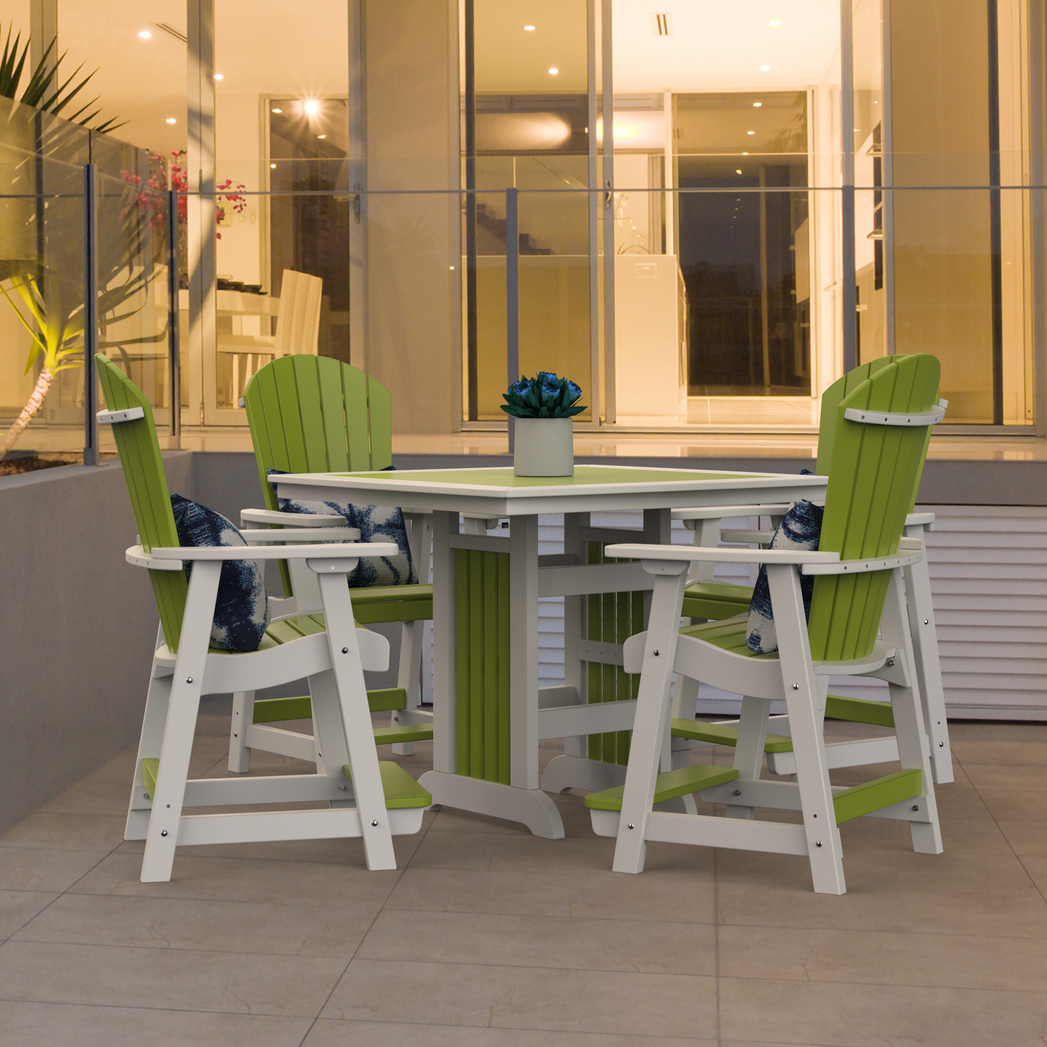
In our experience, the primary color in your patio furniture usually appears on dining tables or primary seating. Those pieces set the tone, so the best color for outdoor furniture in this role is often the one that feels calm, steady, and easy to live with long-term.
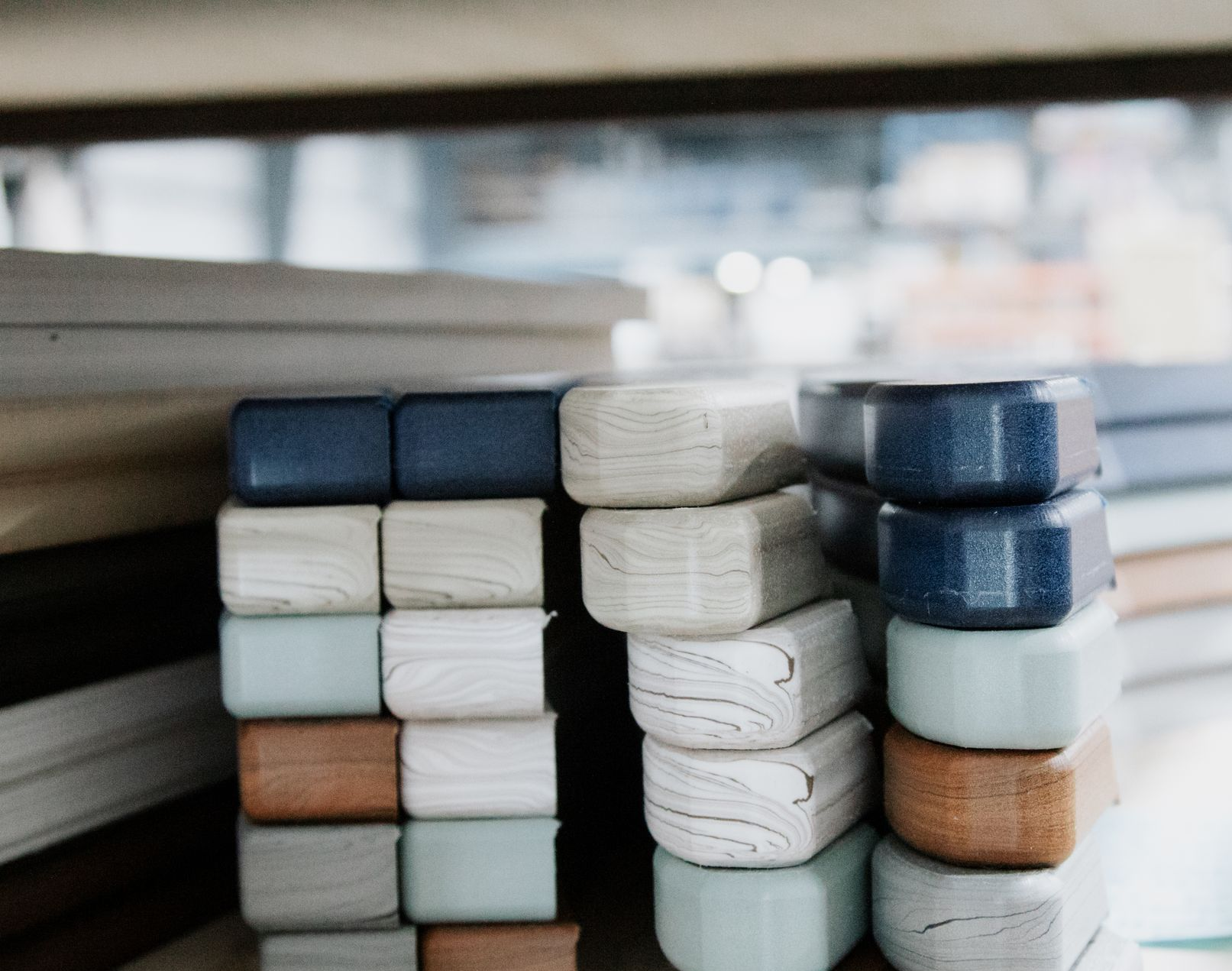
That doesn’t mean boring. It means confident. A soft neutral, a weathered woodgrain, or a relaxed coastal tone often works well here because it gives the rest of the space room to breathe.
Add One or Two Supporting Colors
Now think about the colors you love but don’t necessarily want to live in full-time.
These make great supporting colors. They’re ideal for chairs, end tables, or secondary seating, where they add interest without overwhelming the space. This is one of the easiest ways to create patio color schemes that feel intentional instead of overwhelming.
If you’re torn between favorites, this is often the answer. Let one lead, and let the other show up where it adds energy and contrast.
Use Brighter or Bolder Color Where You Want Personality
This is where taste turns into expression.
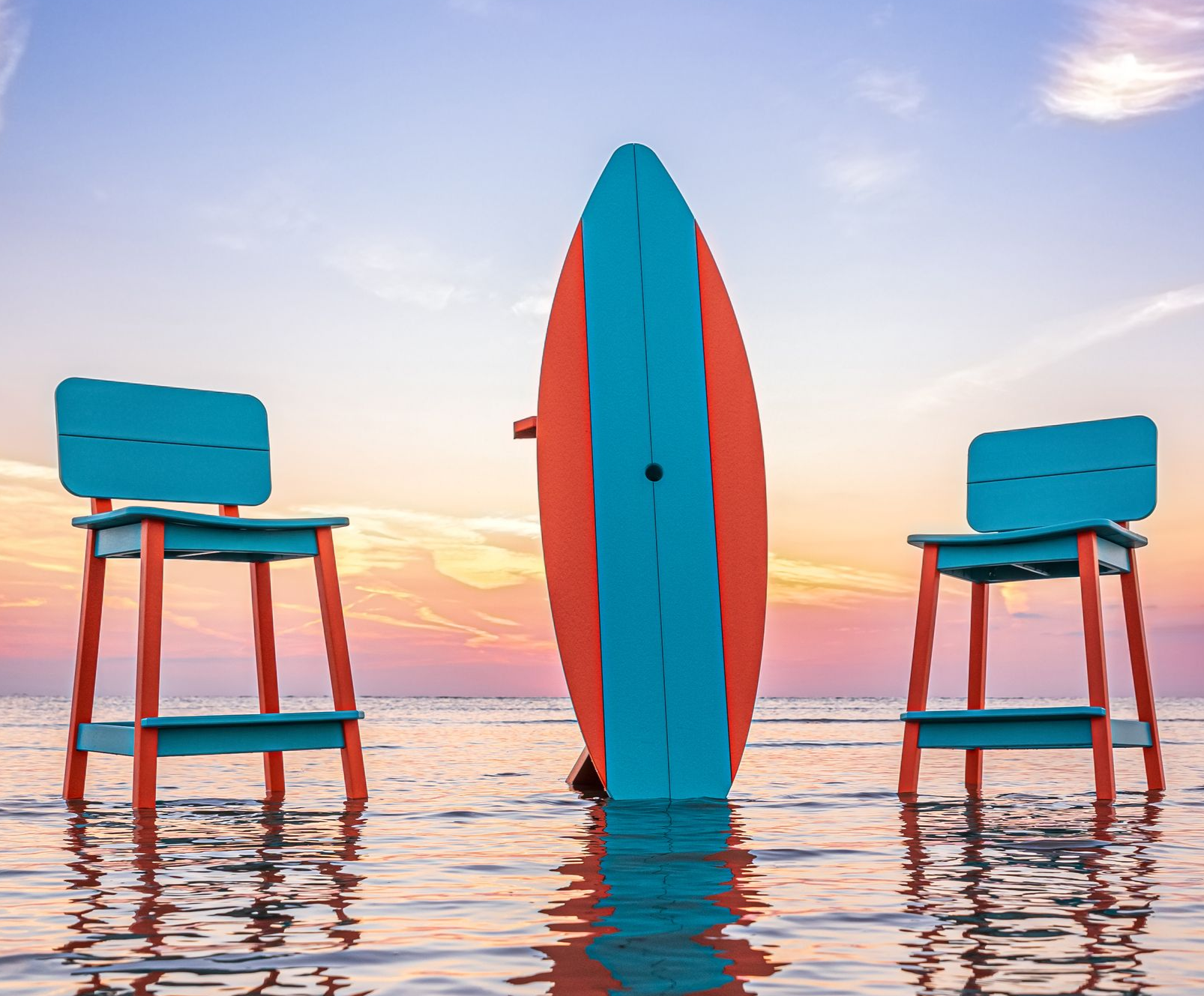
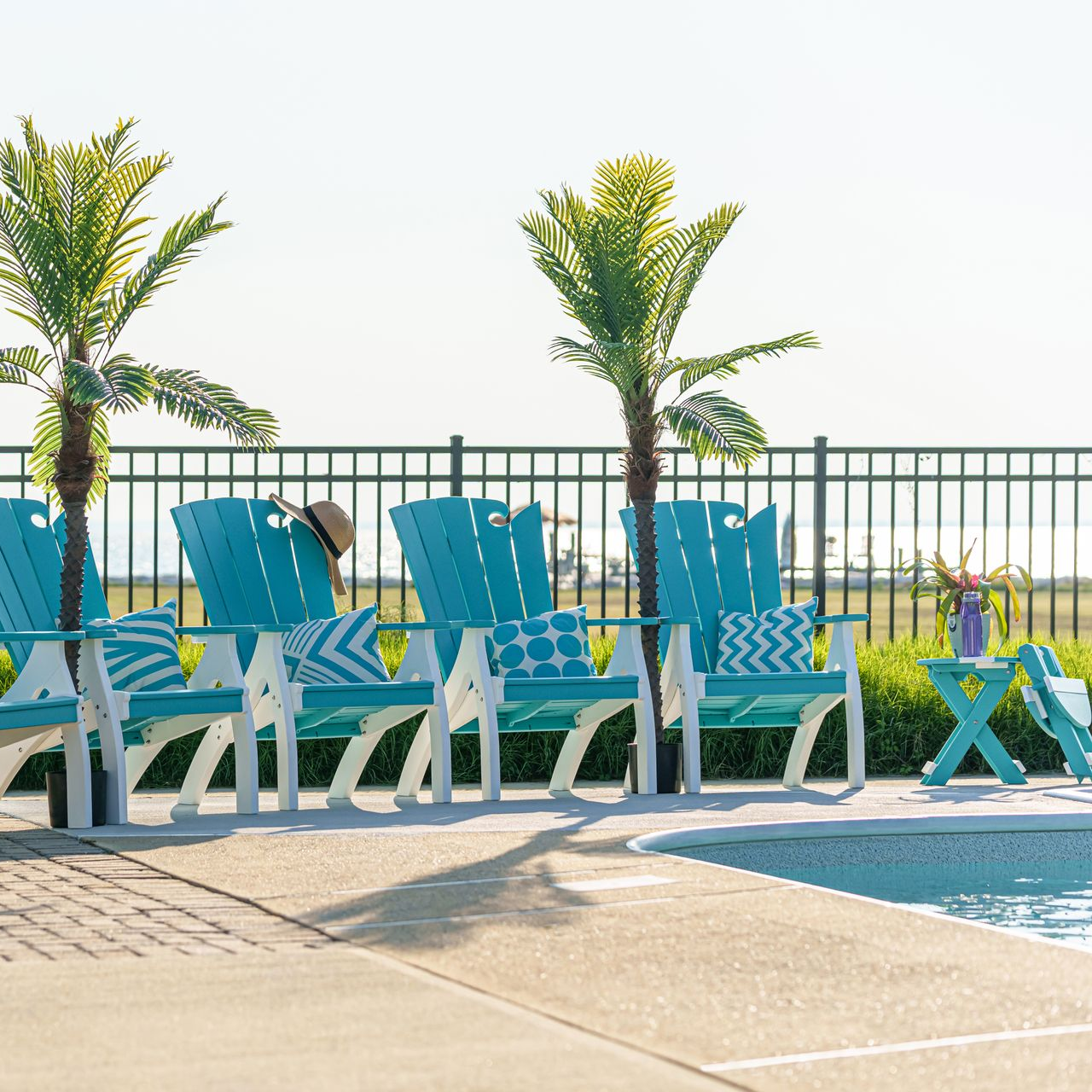
Bright colors, deeper tones, and colorful patio furniture work best when they serve a clear purpose. Smaller pieces give bold color a place to shine without dominating the entire space. A vibrant chair near the pool. A richer tone in a tucked-away seating area.
When color serves a purpose, it feels exciting rather than loud.
Leave Room To Grow
The most successful outdoor patio color ideas don’t try to say everything at once.
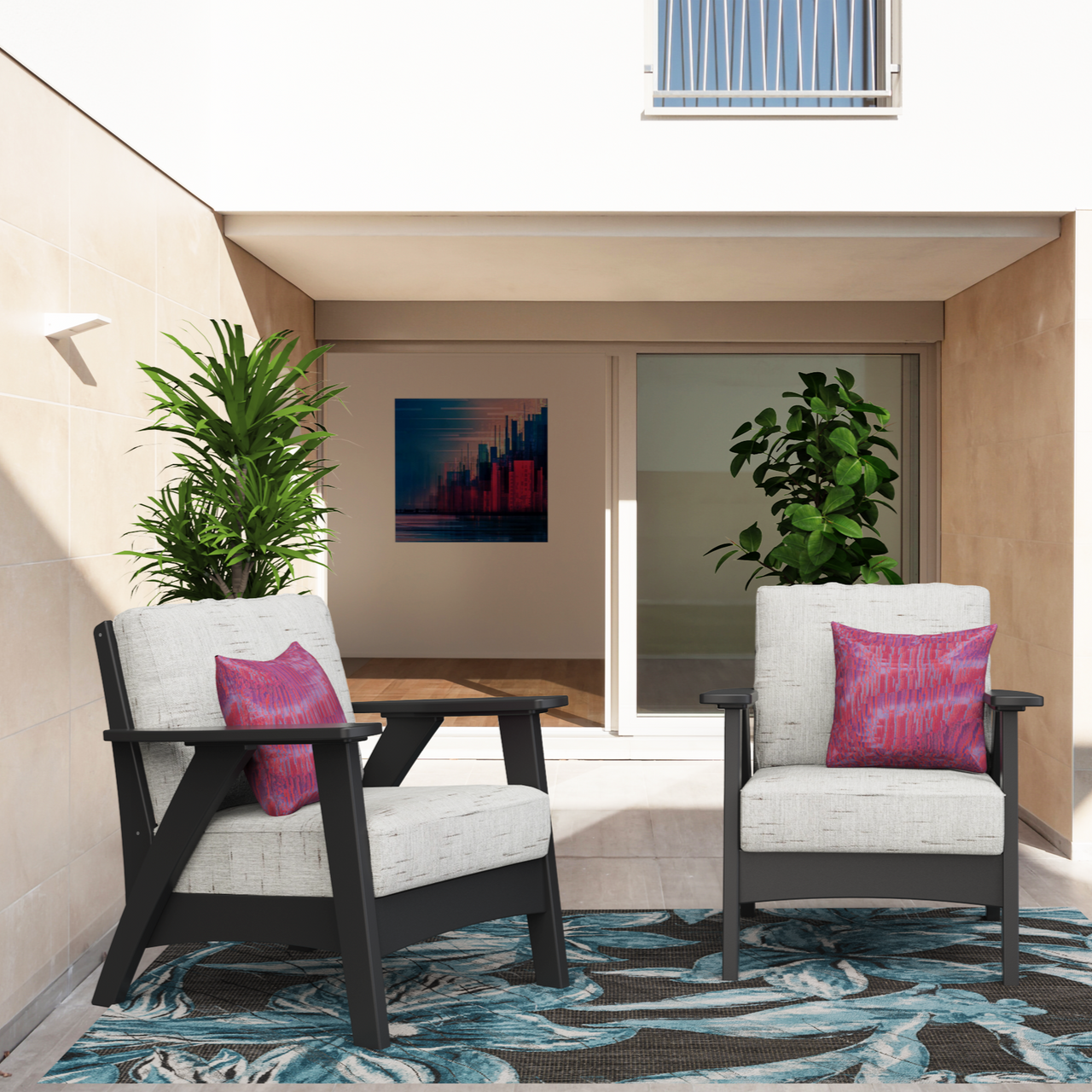
The patios people love the longest are almost always the ones that leave room to evolve. Choosing outdoor furniture colors with a little flexibility makes it easier to add pieces over time, adjust the mix, or shift the feel as your space and tastes change.
If choosing colors ever feels hard, that’s usually a sign you care, not that you’re doing it wrong. Trust what you’re drawn to and let the space come together naturally.
Explore Our Colors
Six Outdoor Color Palettes That Make Choosing Easier
At this point, you don’t need more theory. You need options you can picture.
The outdoor color palettes below aren’t rules or trends. They’re real combinations we see work well again and again across patios, decks, and backyards. Each one provides a clear starting point and ample room to make it your own.
Palette 1: Coastal and Easygoing
Light, relaxed, and open. This palette blends colors
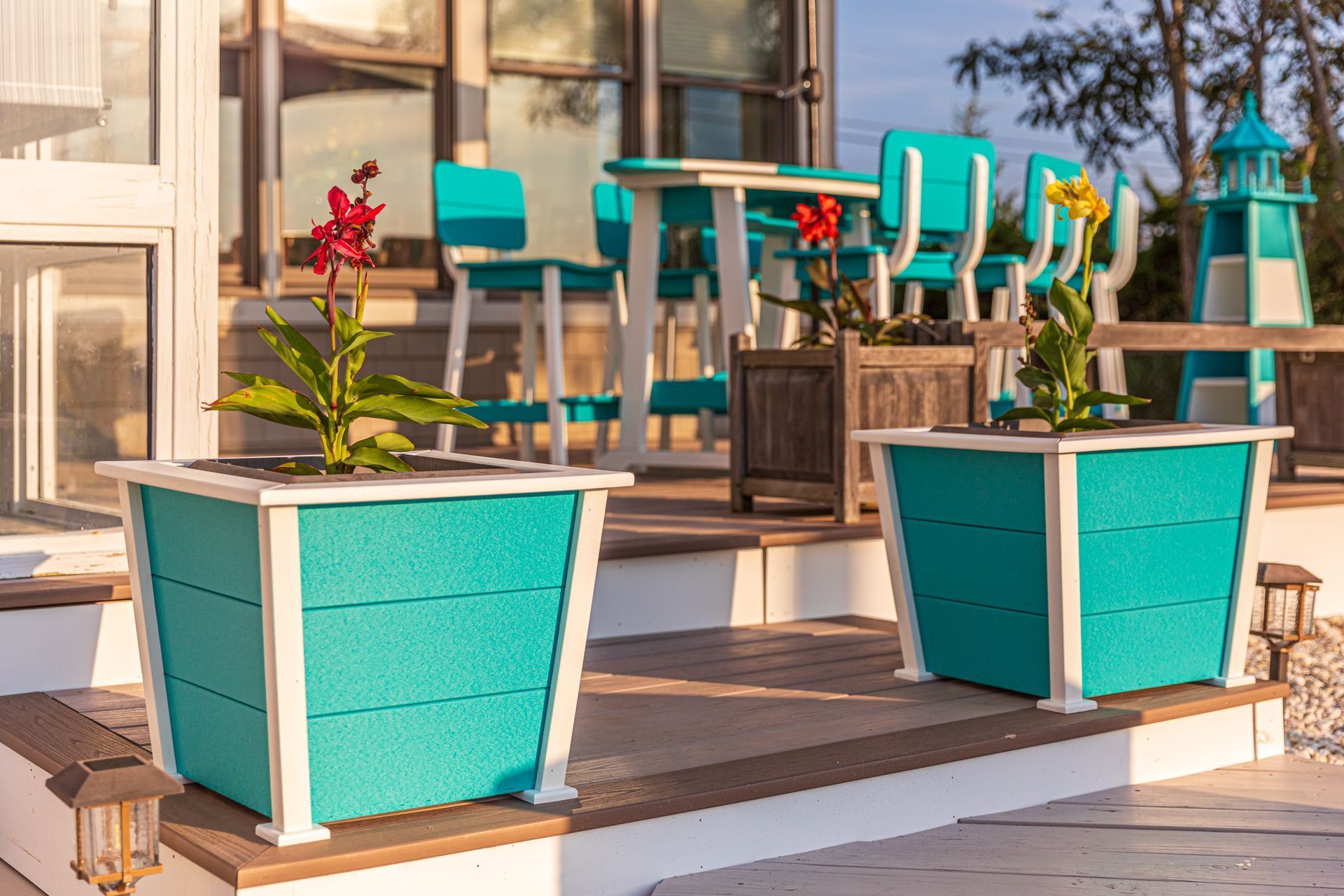
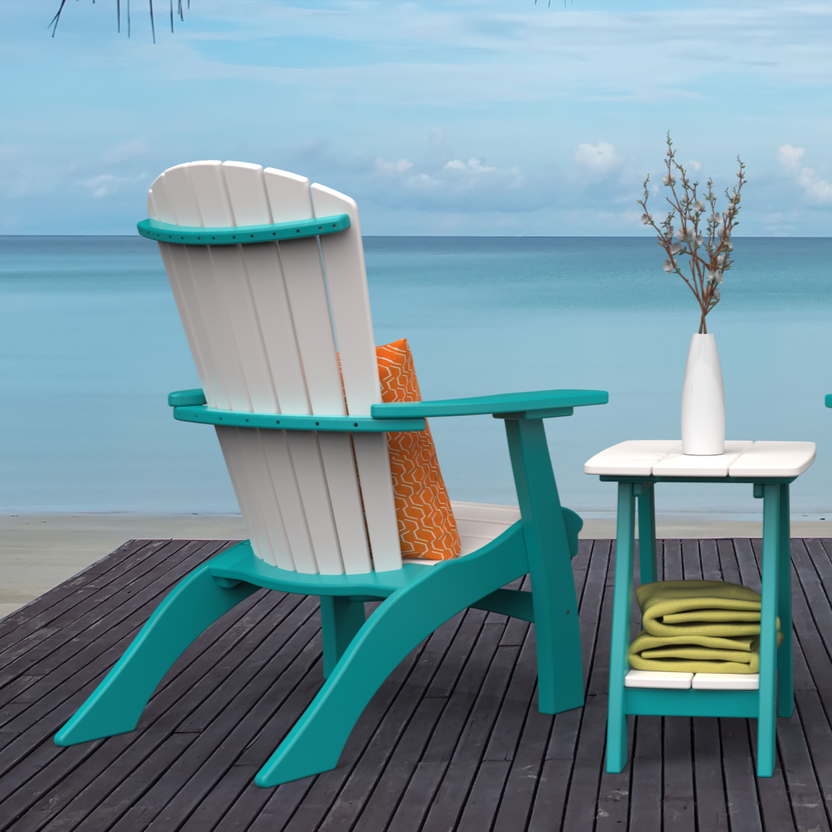
such as Seashell, Coastal Gray, Driftwood Gray, and Aruba Blue to create a breezy feel without appearing themed. It works especially well in bright spaces or anywhere you want to bring a beachy mood home, and you’ll often see it shine on our
Bayside Siesta Chairs and
end tables collection.
Palette 2: Clean and Modern Neutrals
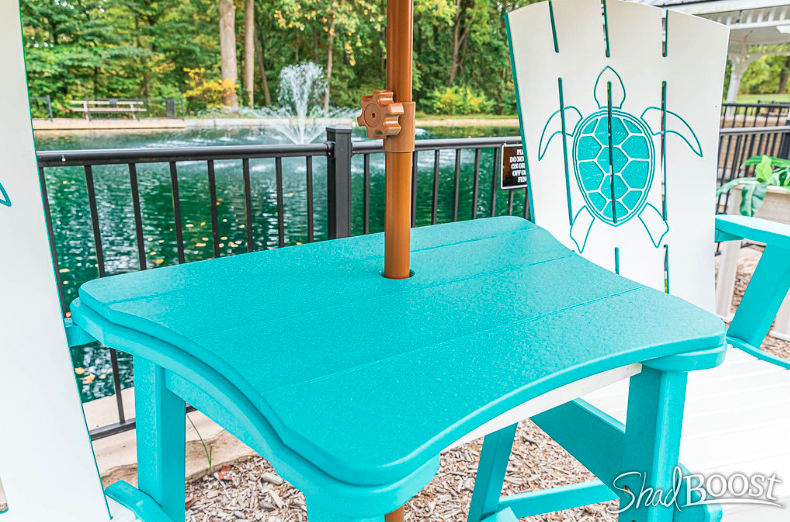
Crisp, simple, and pulled together. This palette uses
Black,
Dark Gray,
Light Gray, and
White to create a clean, modern look that feels calm and uncluttered. It works well in contemporary spaces and on smaller patios where contrast is important. You’ll often see it used on our
Seabreak
dining tables, along with
bar chairs
and
swivel chairs.
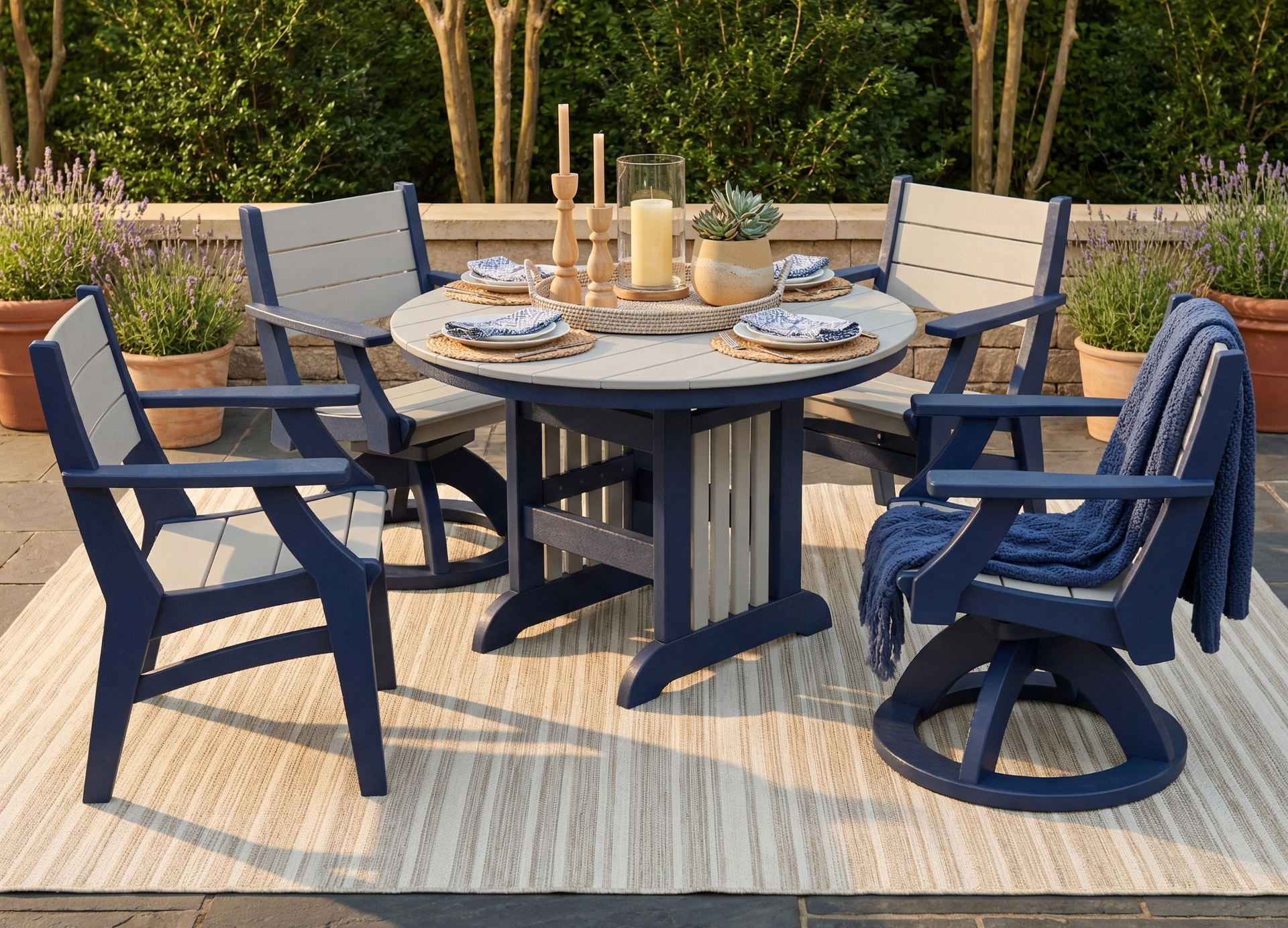
Palette 3: Warm Woodgrain Classic
Comfortable, timeless, and grounded. Woodgrain tones like
Weatheredwood,
Brazilian Walnut, and
Antique Mahogany bring natural warmth and depth to the space. This palette pairs beautifully with traditional or wooded settings and feels right at home on our
Farmhouse
dining tables,
rockers, and
Adirondack chairs.
Palette 4: Relaxed Backyard Retreat
Soft, natural, and easygoing. Muted tones like
Turf Green,
Birchwood, and
Driftwood Gray blend seamlessly with landscaping and greenery. This palette works especially well in tree-lined yards and quiet corners, and you’ll often see it on our Regency sectionals and gliders, designed for slowing down.
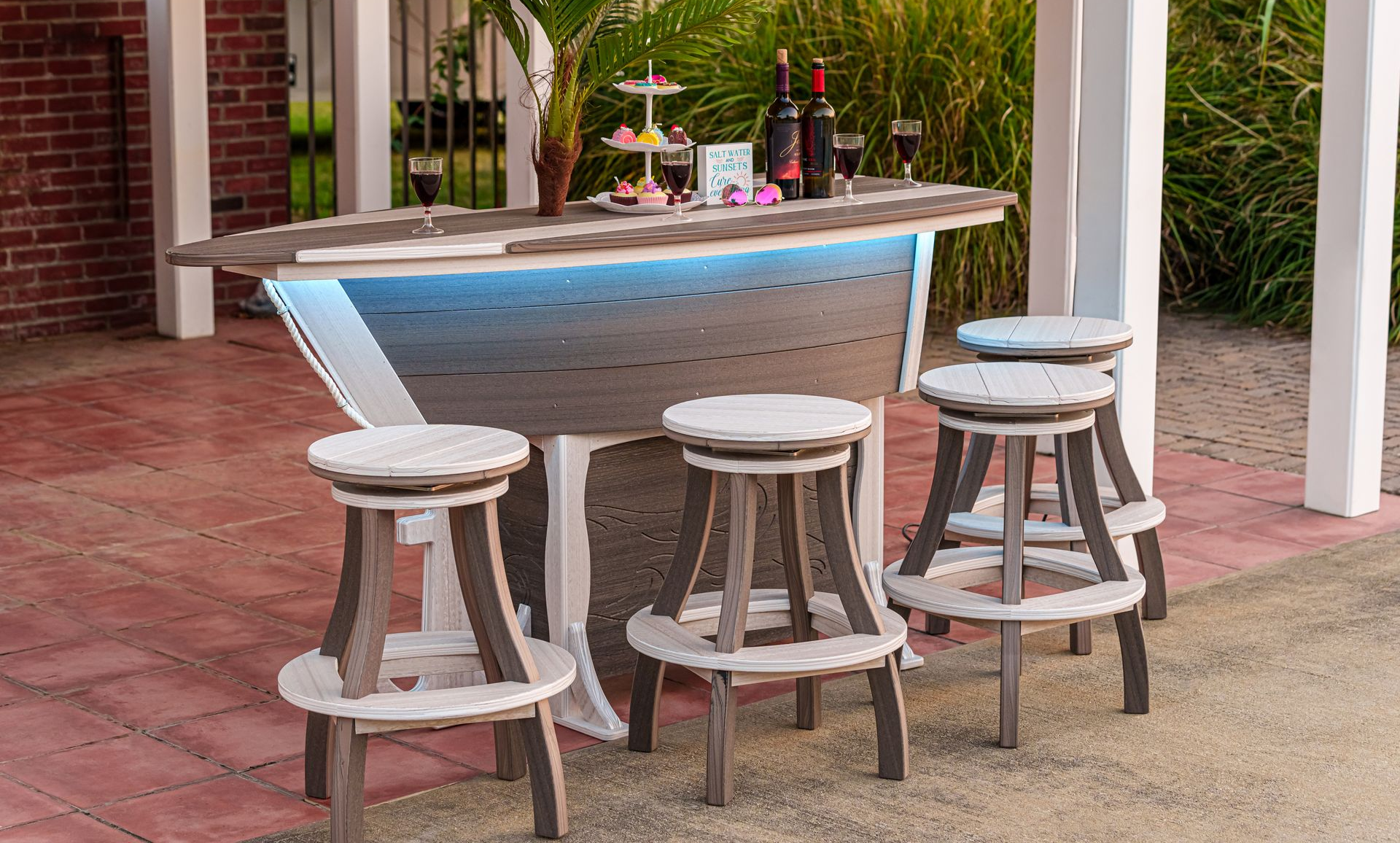
Palette 5: Social and Entertaining Ready
Lively but balanced. This palette starts with a neutral base like
Coastal or
Light Gray, then layers in accent colors like
Patriot Blue or
Cardinal Red for energy. It’s a great fit for gathering spaces and often shows up on our
SurfAira
bar chairs with
swivel chairs for entertaining.
Palette 6: Playful With Purpose
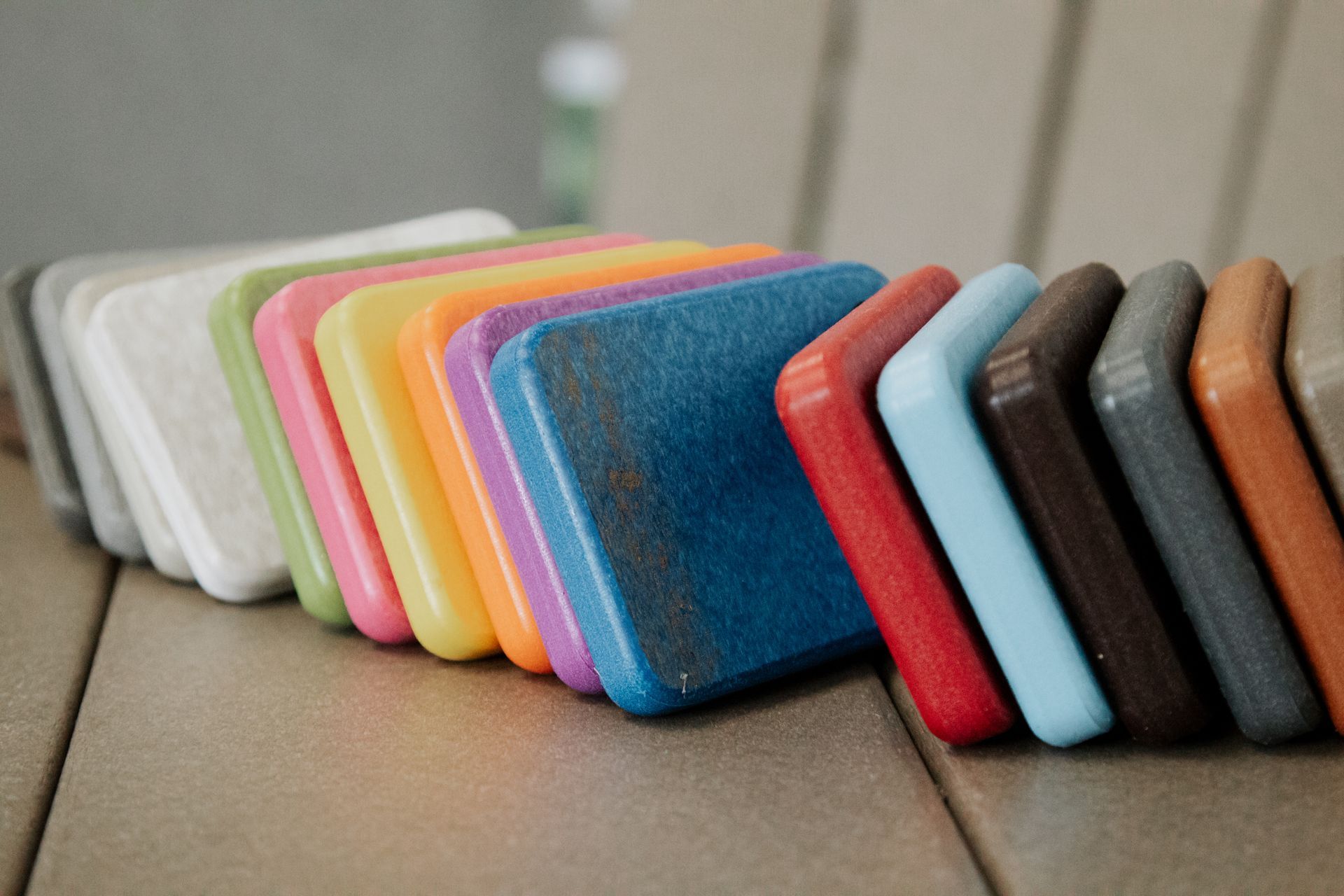
Fun, expressive, and intentional. Colors like Mint, Powder Blue, Aruba Blue, or Bright Blue add personality without overwhelming the space when paired with softer neutrals. This palette works best in smaller doses and shines on Anchor Avenue bars and barstools.
Solid Colors vs. Woodgrain: How To Decide
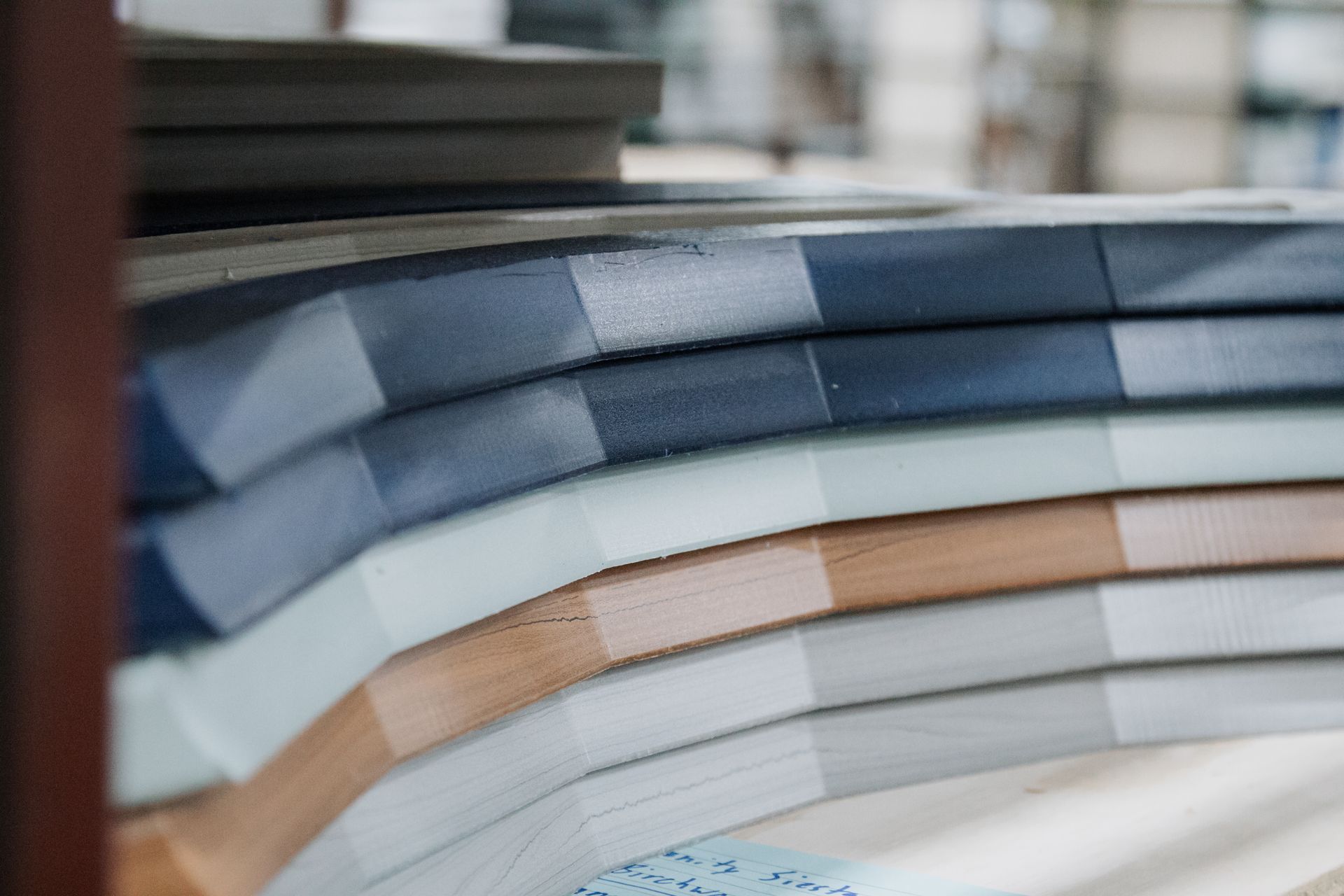
Choosing between solid colors and woodgrain finishes comes down to how you want the space to feel when you’re actually in the space.
When Solid Colors Make Sense
Solid colors work best when you want a clean, calm, pulled-together look. They’re a great fit for bright spaces, coastal settings, and modern patios where simplicity keeps the space feeling open instead of busy.
When Woodgrain Feels Right
Woodgrain finishes add warmth and texture. They work especially well in wooded backyards, traditional settings, or anywhere you want the furniture to feel grounded and comfortable rather than crisp.
Mixing Both For Balance
You don’t have to pick just one. Pairing solid colors with woodgrain accents is an easy way to add depth without overcomplicating the look.
A Quick Way To Decide
If you want furniture to quietly support the space, lean solid. If you want warmth and presence, woodgrain usually points the way.
Common Outdoor Color Mistakes (and Simple Ways to Prevent Them)
Most missteps happen when outdoor patio color ideas are chosen too early. These are the ones that tend to cause regret later, along with easier ways to approach them.
Choosing colors before furniture size and layout
- Patio furniture colors feel different once tables, seating, and bar areas are set.
- Without an initial layout, your color palette can make your space feel cramped, washed out, or disjointed.
- Better approach:
Rough in where large pieces will go first, then choose colors that support how the space works.
Assuming indoor colors work the same outdoors
- Sunlight and surroundings change how outdoor furniture colors read.
- Your living room's color palette can't just be cut and pasted onto your patio.
- Better approach: If a color feels bold inside, expect it to feel stronger outside. Try bolder patio colors on smaller pieces first.
Letting accent colors compete
- Too many colorful patio furniture ideas can make a space feel unsettled.
- Bold, clashing colors can make your dream space feel random instead of intentional.
- Better approach: Choose one accent color and let the rest of the patio color scheme stay calm.
Forgetting how the space will feel over time
- The best color for outdoor furniture holds up beyond the first season.
- Sun, wind, & rain can make even the boldest pieces fade over time.
- Better approach: Use calmer colors for everyday pieces and save bold patio colors for items you can change later, like cushions.
Small adjustments like these keep patio color schemes balanced and easier to live with over the long term.
Trust Your Instincts — Then Fine-Tune With Confidence
Choosing a color palette for outdoor furniture doesn’t have to feel overwhelming. Trust what you’re drawn to, use structure to guide the details, and give the space room to evolve.
At Beaver Dam Outdoor, we design outdoor furniture with flexibility and confidence in mind, so your patio feels personal, comfortable, and easy to live with. When the colors feel right, the space simply works.